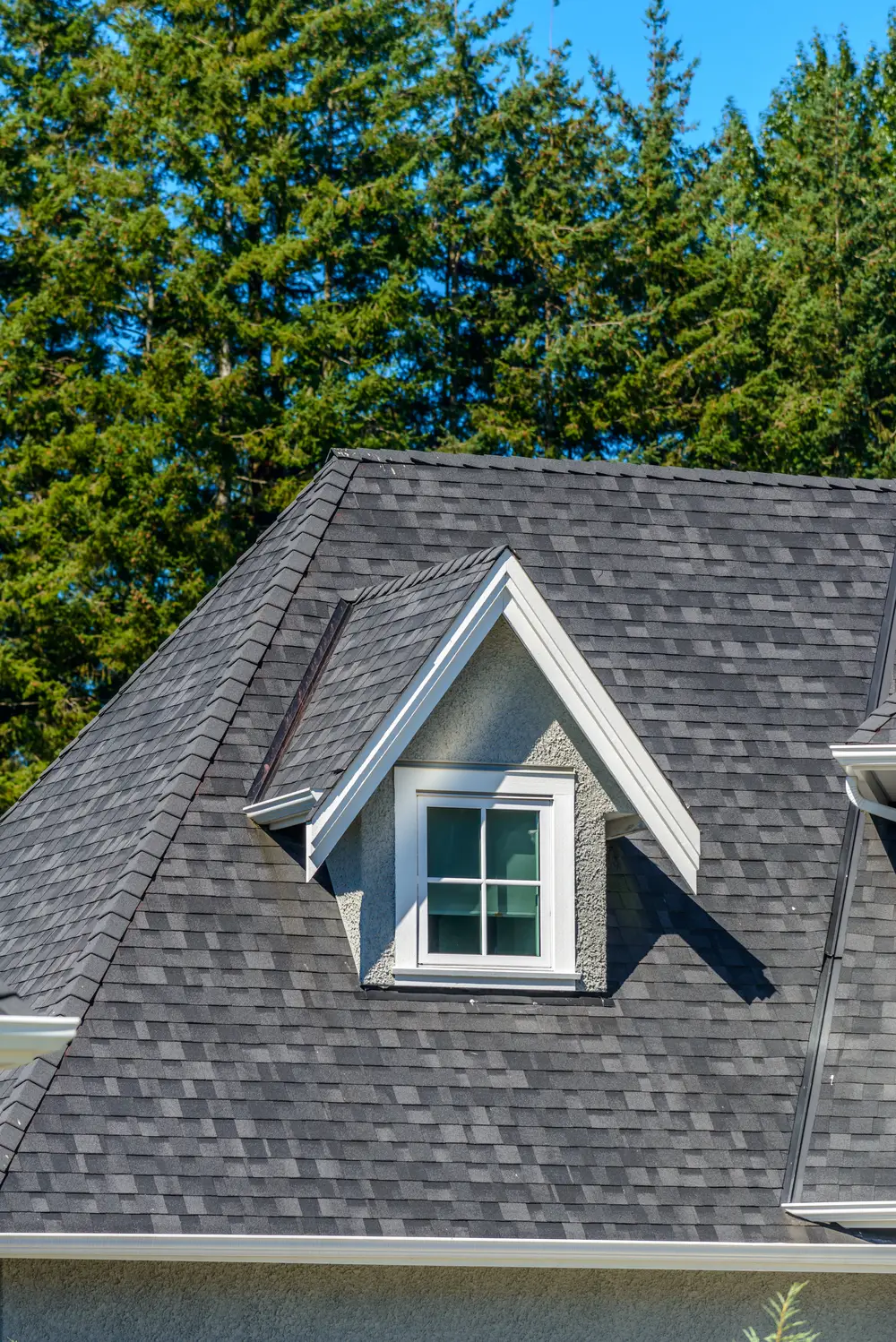
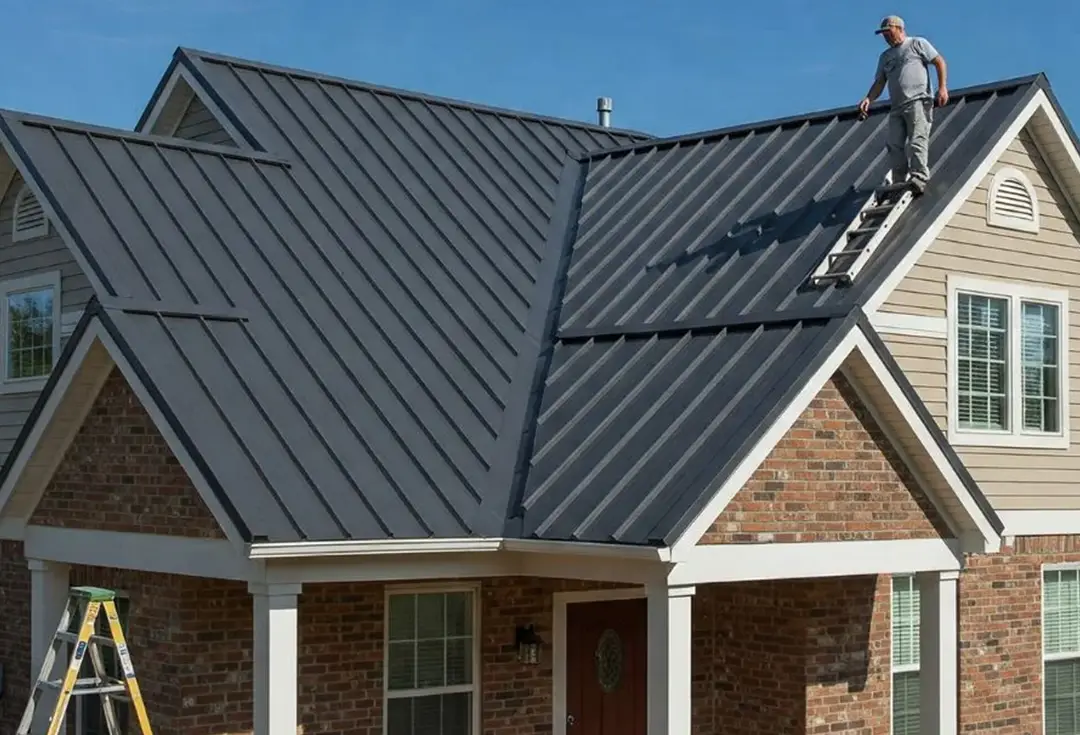
Falis Construction can review residential roofing projects involving replacement, repair and related roof-system work within the applicable residential construction framework.
Depending on the project, the scope may include roof coverings, sheathing, weatherproofing, insulation and associated repairs. Each project is reviewed based on the existing condition, scope and applicable requirements.

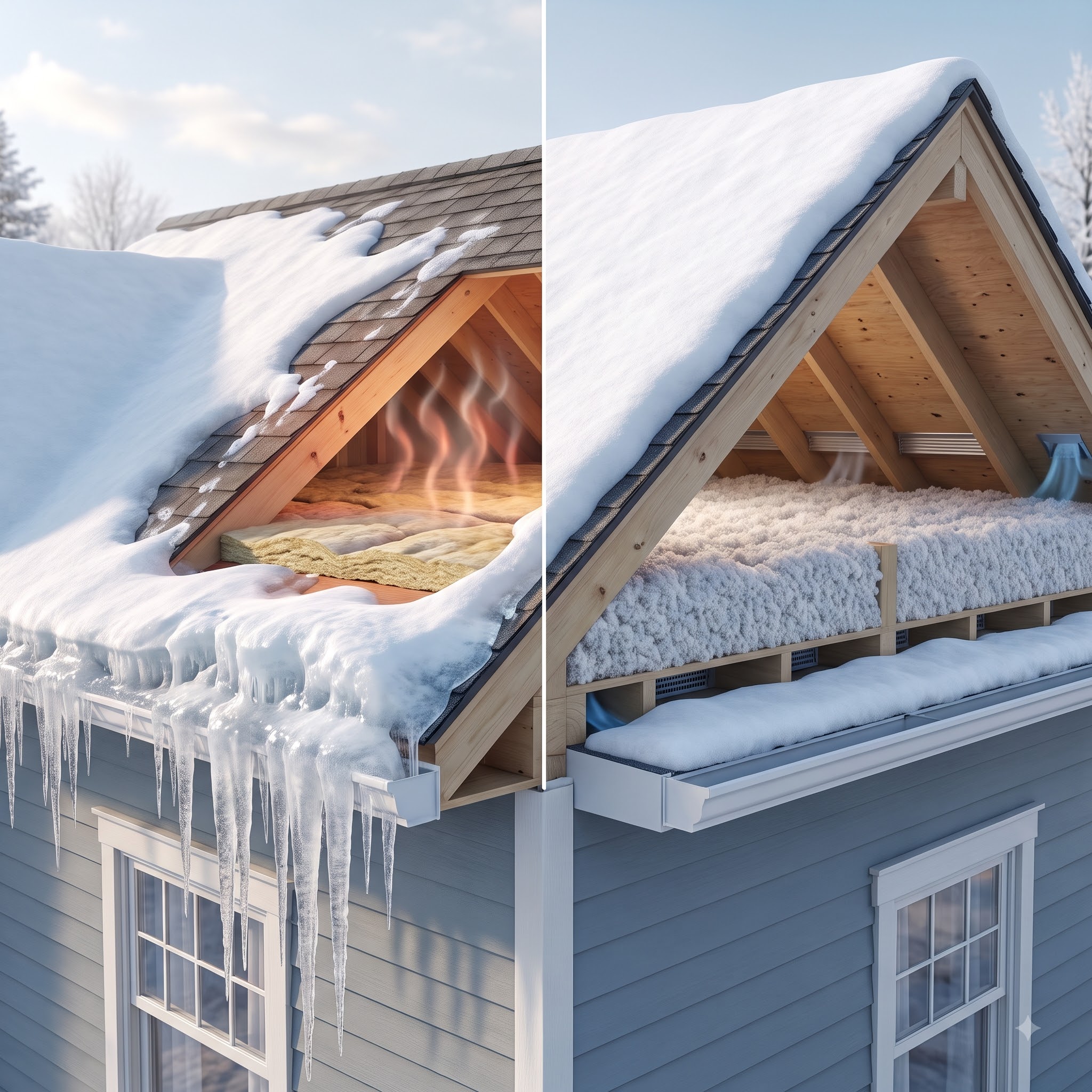
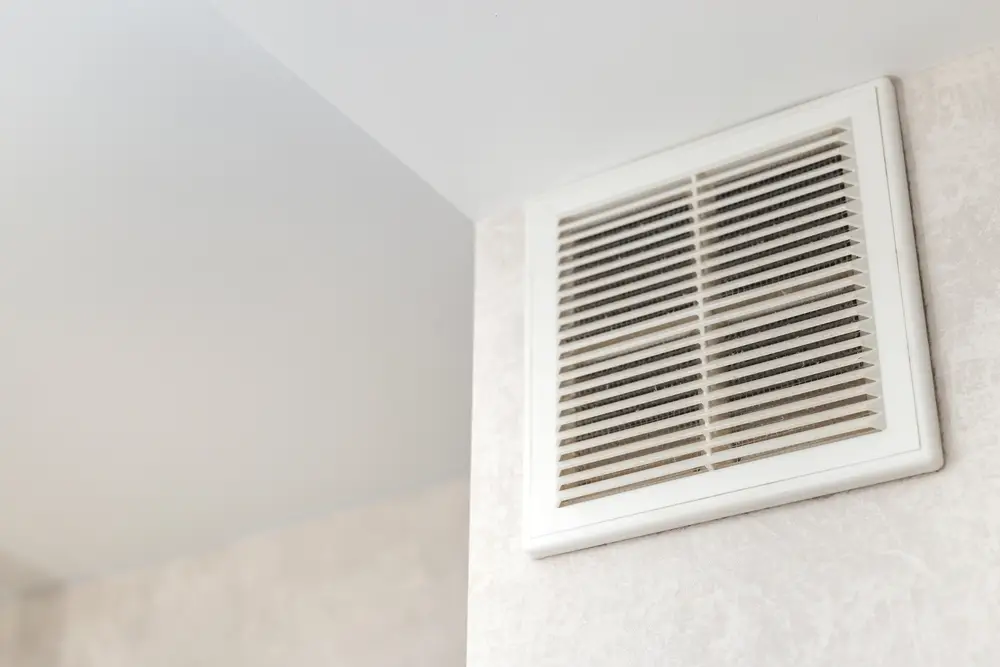
If you get dams every winter, the answer is usually in the attic rather than on the roof. Insulation, air sealing and ventilation are what change the behaviour.
Sheathing condition is only fully visible once the old covering is off. Some replacement is common, especially where there has been longstanding leakage, and honest estimating anticipates it.
Valleys, chimneys, vents and skylights are where most roofs leak — far more often than in the open field of shingles.
On its own, usually not — and this is the most useful thing we can tell you. Ice dams form because heat is reaching the roof deck and melting snow that refreezes at the cold eave. Unless the attic insulation, air sealing and ventilation change, the new roof will behave like the old one. Ice-and-water membrane limits the damage when a dam forms, which matters, but it treats the symptom.
Often, particularly where the problem is localized — a flashing failure at a chimney or valley, storm damage to one slope, a few displaced shingles. Where a covering is at the end of its service life or has multiple failure points, repairs become a sequence of temporary fixes and replacement is the better value.
Age relative to the covering’s expected life, granule loss, curling or cracked shingles, repeated leaks in different locations, and visible sagging are the usual indicators. A leak in one place after a storm is often a repair; leaks appearing in several places over a season generally are not.
If an insurance claim is involved, tell us when you submit the project. We’ll review the scope and discuss how the claim affects the next steps.
Roofing is weather-dependent, and shingles need adequate temperature to seal properly. Cold-weather installation is possible with the right techniques but has real constraints. If your roof is at the end of its life but not actively leaking, scheduling into a suitable part of the season generally produces a better installation.
Siding, soffit, fascia, exterior trim, stucco, gutters, downspouts and exterior repairs.
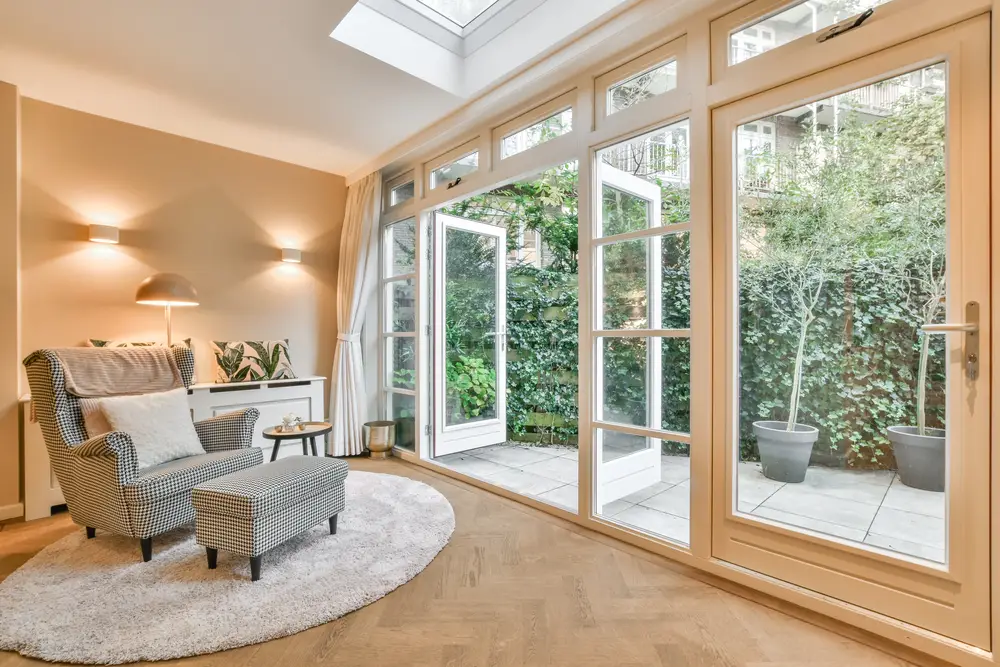
Interior and exterior doors, entry doors, patio doors, window replacement, new openings and skylights.
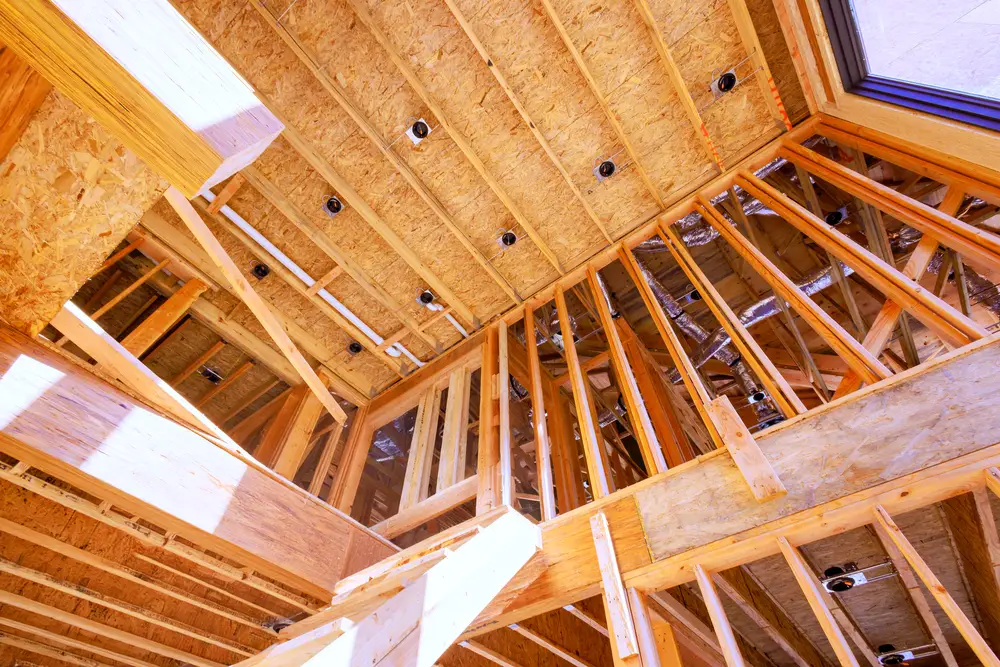
Rough framing through finish carpentry — walls, floors, roofs, basements, additions, trim, stairs and built-ins.
Whole-home renovations, interior remodeling, layout reconfiguration, room conversions and home modernization.
Residential construction, remodeling and home improvements across the Twin Cities metro and surrounding communities.