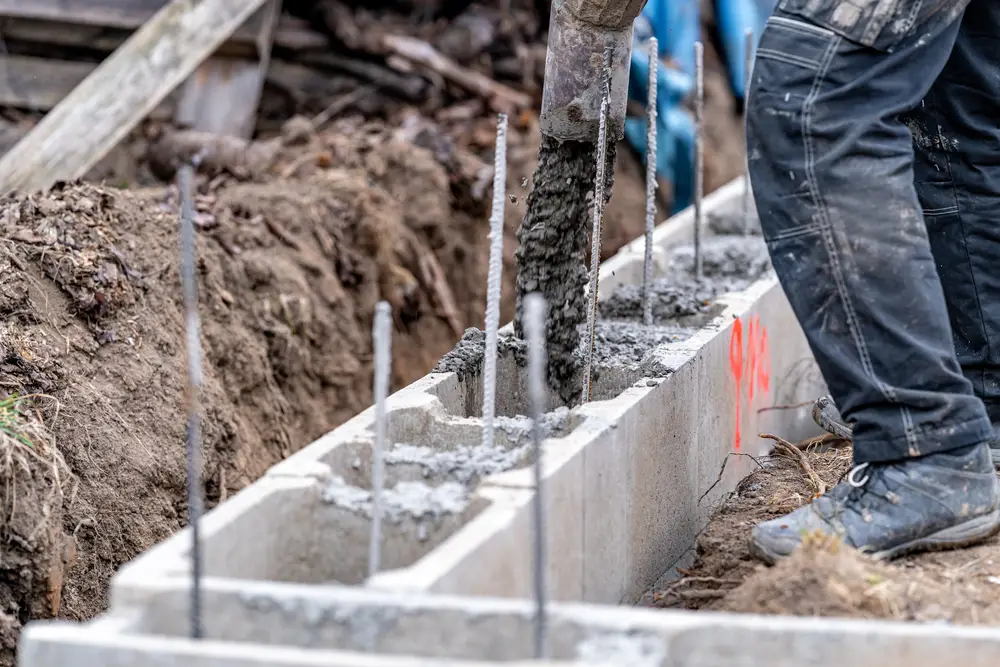
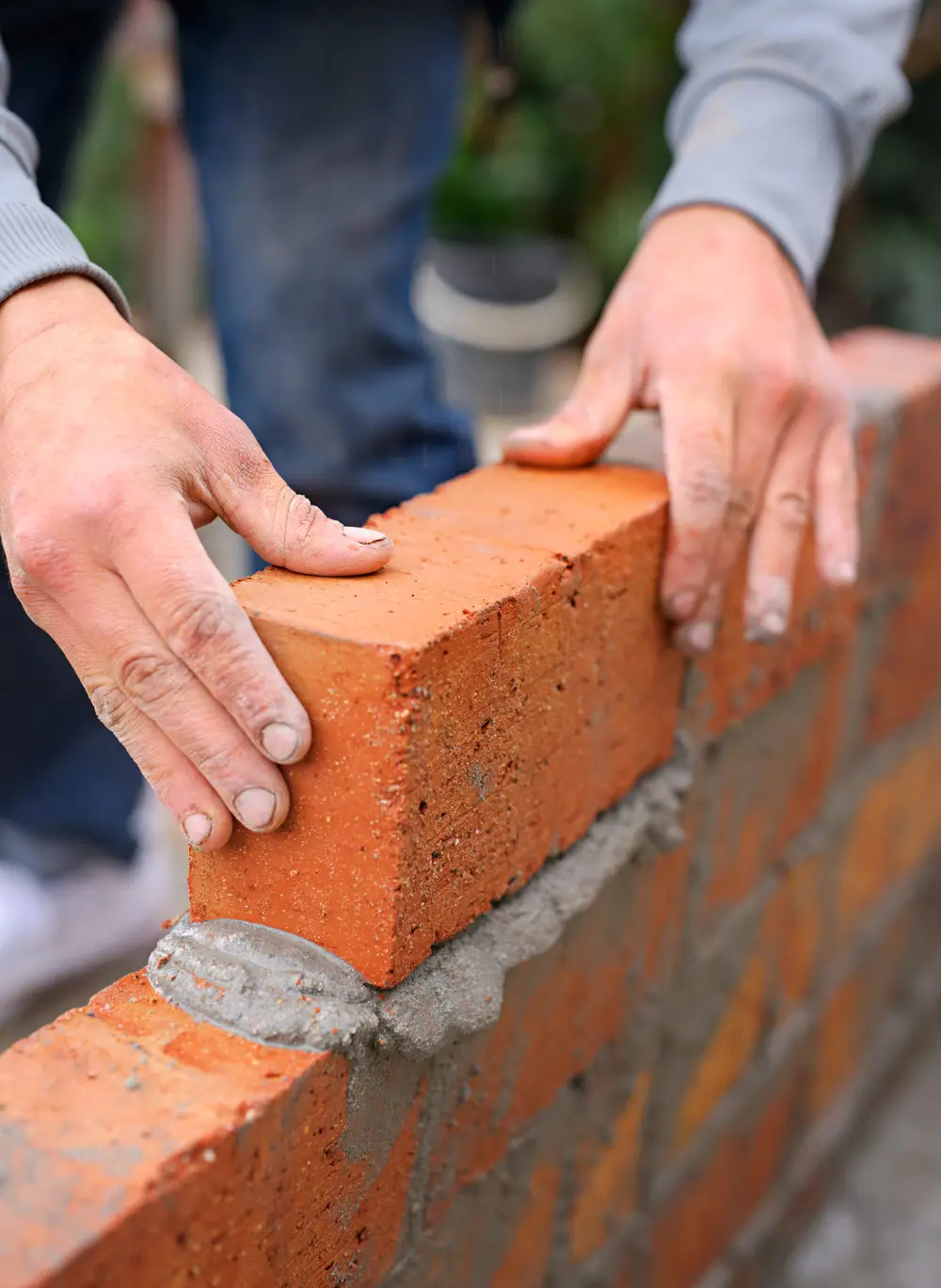
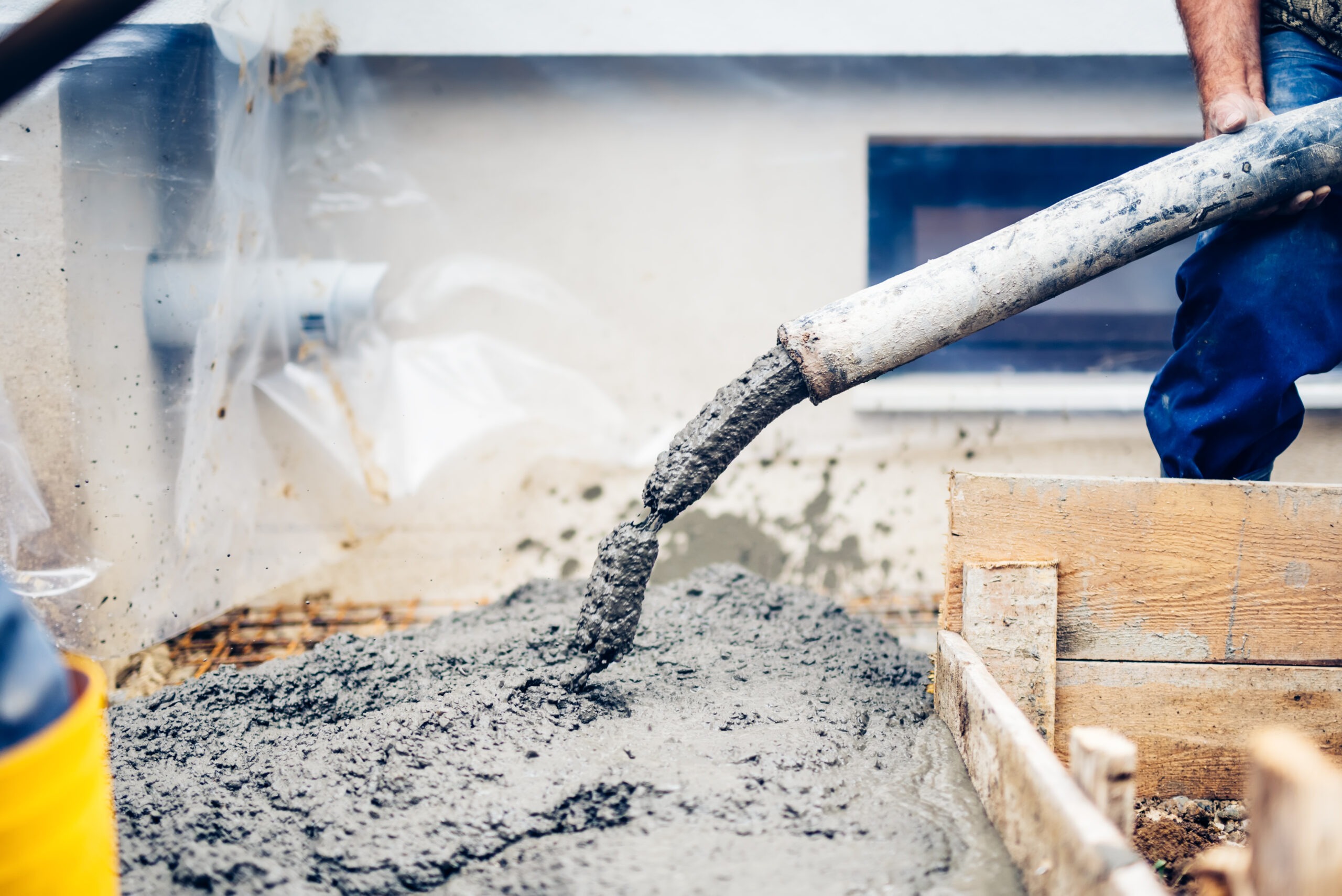
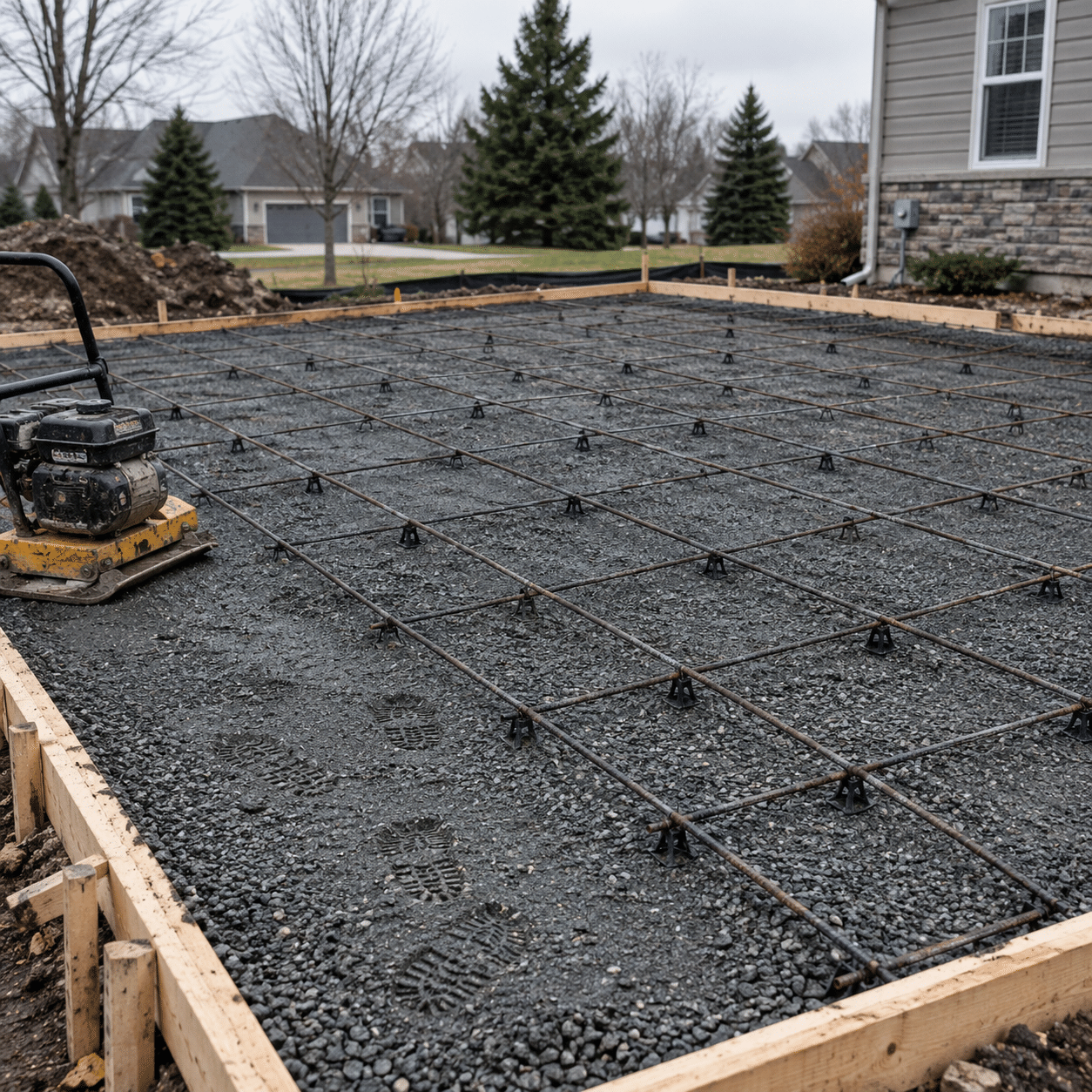
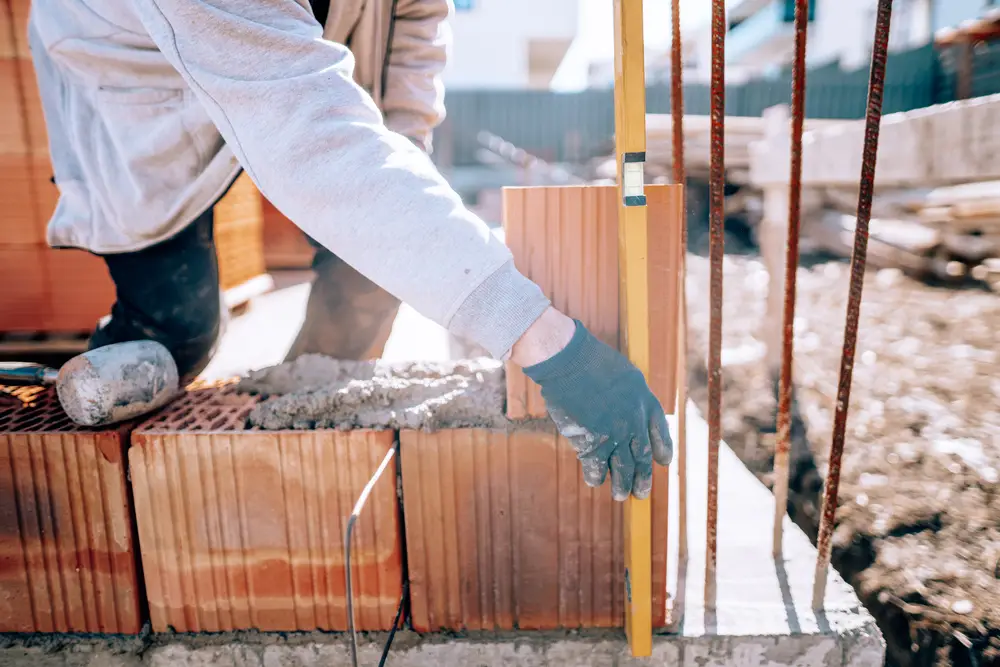
Falis Construction can review residential concrete and masonry scopes including slabs, footings, poured walls, masonry, waterproofing, drainage-related work and repairs where appropriate.
The required approach depends on the purpose of the work, existing conditions, access and any design or permit requirements associated with the project.

Air-entrained concrete gives freezing water somewhere to expand into. In this climate that is the difference between a surface that lasts and one that scales within a few winters.
A properly prepared and compacted base carries the slab. Poor base preparation shows up as settlement and cracking regardless of how good the concrete above it was.
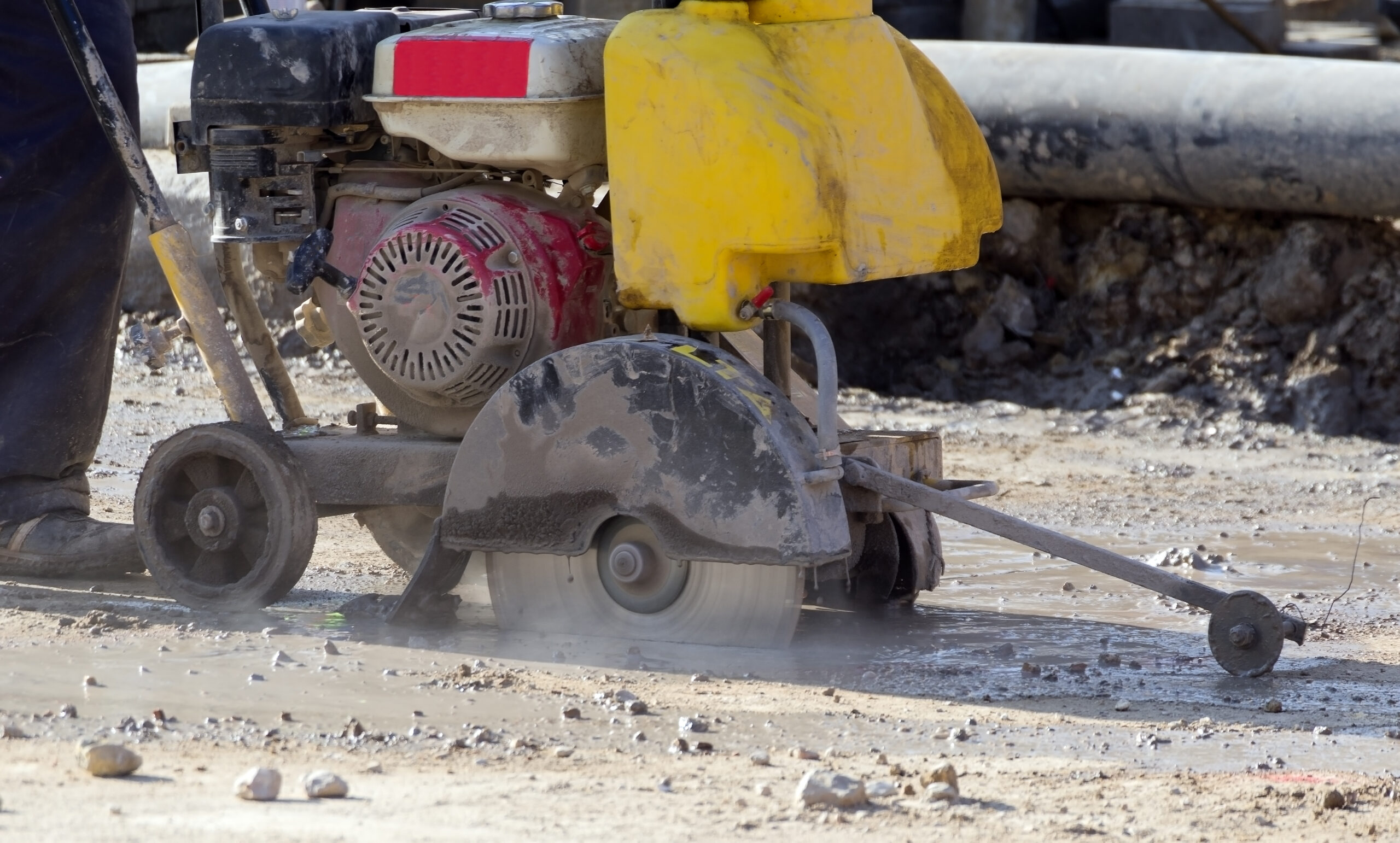
Concrete will crack. Control joints determine where, cut at the correct spacing and depth so the crack is straight, planned and unobtrusive.
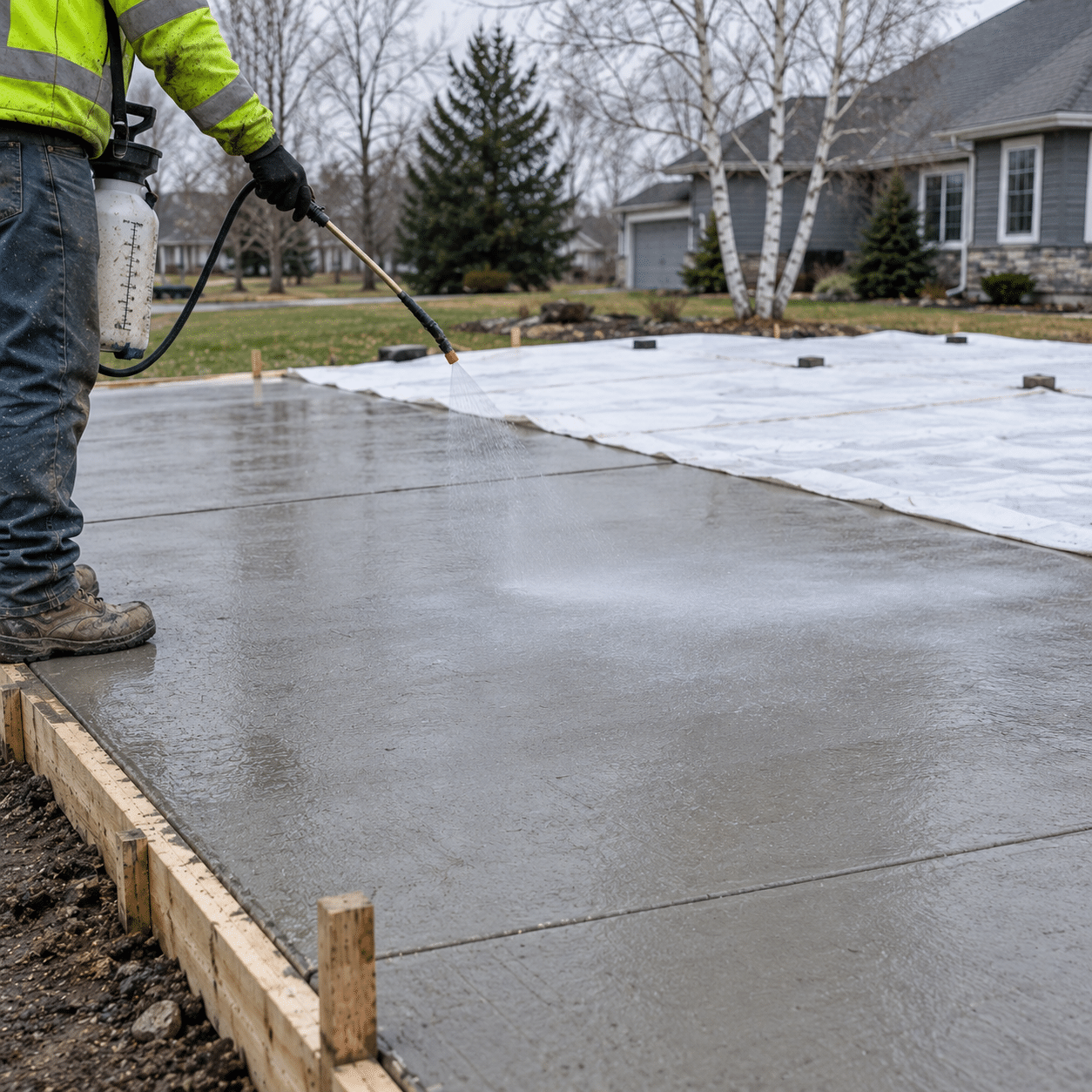
How concrete is protected in the days after the pour affects its final strength and surface durability, so curing is planned as part of the work.
That is scaling, and it is a freeze-thaw failure at the surface. The usual causes are insufficient air entrainment in the mix, too much water added on site, finishing that brought excess water to the surface, or inadequate curing. De-icing salts accelerate it considerably. Surface repairs are available but rarely permanent — the underlying concrete is what it is.
It depends on the crack. Hairline shrinkage cracking is normal and cosmetic. Cracks with vertical displacement, widening over time, or accompanied by settlement point to a base or structural issue where repair alone would be treating the symptom. We would rather tell you which you have than sell a repair that will not hold.
Usually not, and this matters because the wrong diagnosis is expensive. Most basement water is a drainage problem — grading falling toward the house, roof water discharged at the foundation, window well drainage, or a failed drain tile system. Those are solvable. Sealing the interior face of a wall without addressing where the water is coming from rarely works for long.
It can, with cold-weather practices — heated materials, insulated blankets, temperature monitoring — and it costs more because of them. Concrete that freezes before it reaches adequate strength is permanently compromised, so this is not an area for shortcuts. Where a project can wait for suitable conditions, it usually should.
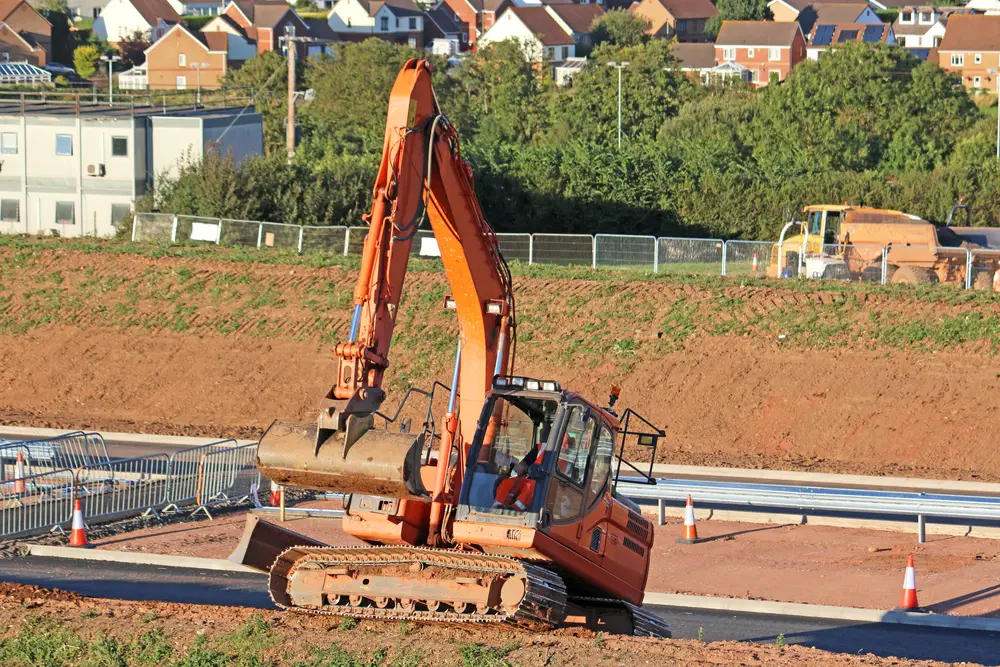
Yes — excavation, trenching and grading are within our scope and frequently run alongside concrete work. Site preparation and drainage are part of the same problem, so handling them together tends to produce a better result than splitting them across contractors.
Excavation, trenching, grading, site grading and site preparation across the Twin Cities.
Bedroom, primary suite, family room, kitchen expansion, sunroom, second-story and garage additions across the Twin Cities.
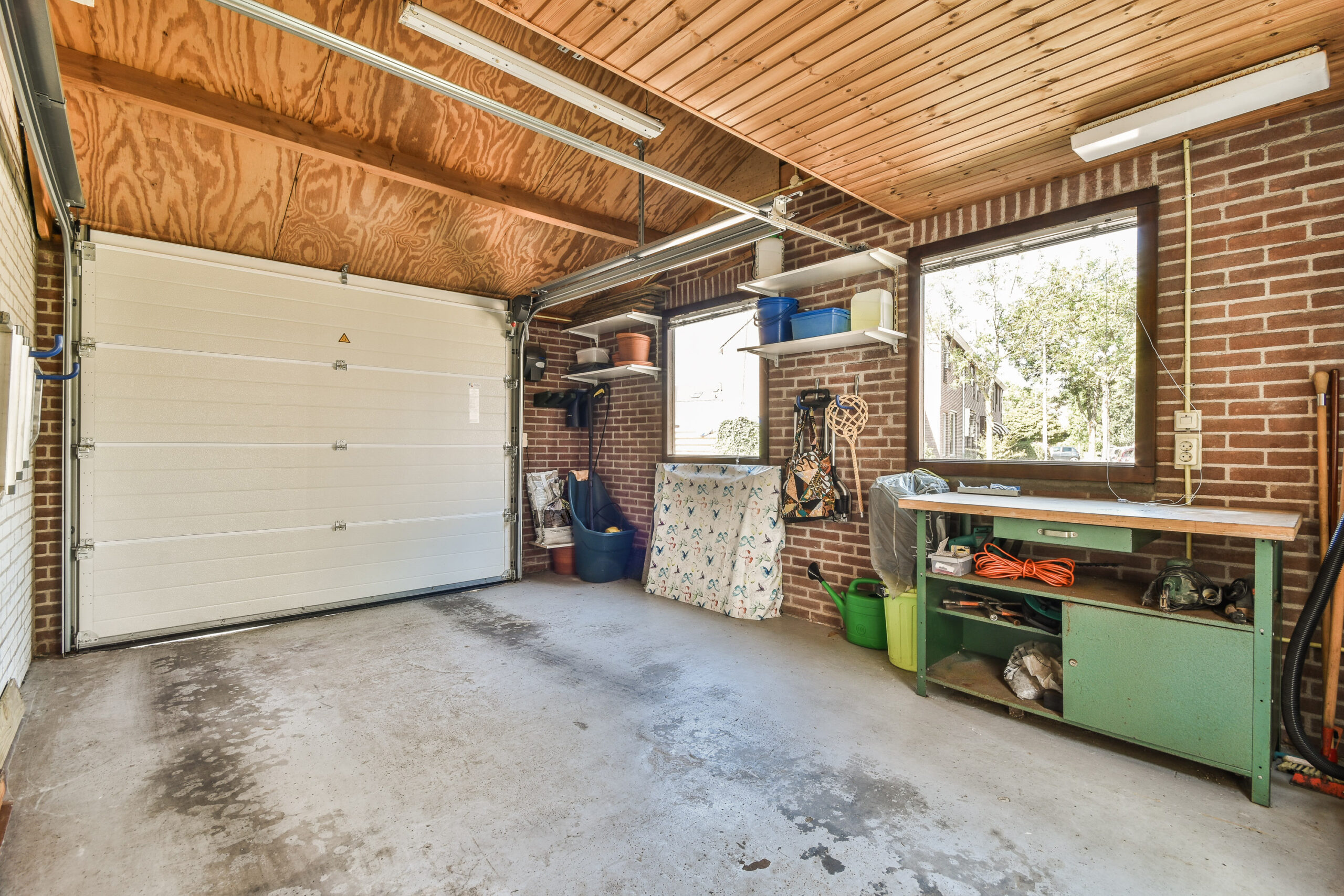
Detached and attached garages, garage additions, slabs, framing and garage doors.
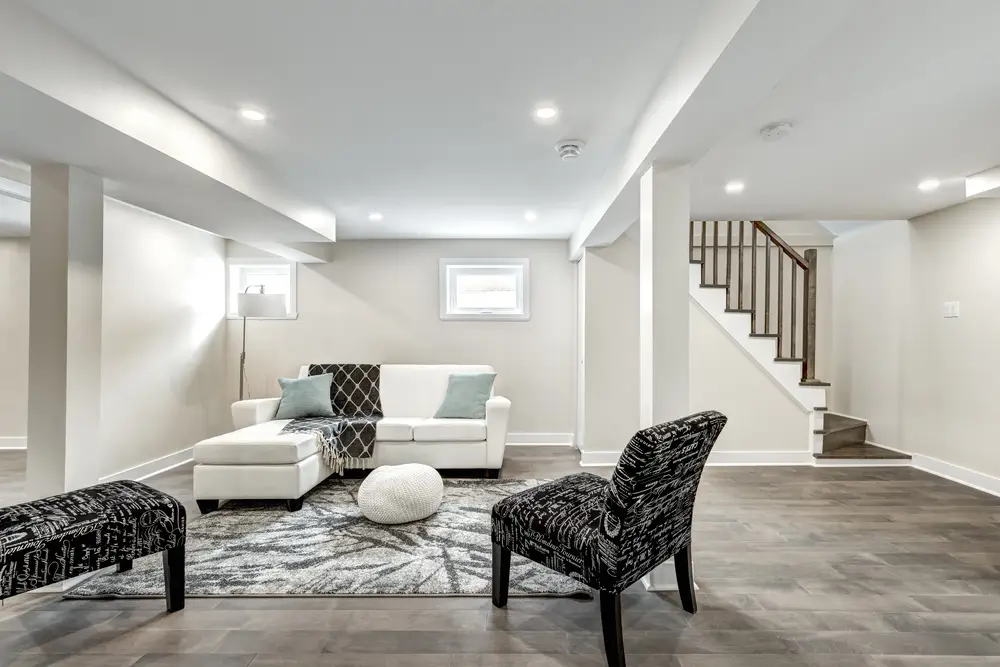
Finishing unfinished basements, remodeling finished spaces, and coordinating the construction details that help make the lower level functional and complete.
Residential construction, remodeling and home improvements across the Twin Cities metro and surrounding communities.